
How Much Does Outsourced Bookkeeping Cost in 2026?
Outsourced bookkeeping costs vary depending on business size, transaction volume, and service scope. This guide explains typical pricing models and what businesses can expect to pay in 2026.
Overview
What Drives Outsourced Bookkeeping Cost?
- Monthly transaction volume
- Number of bank and credit card accounts
- Revenue streams and business complexity
- Payroll and bill pay needs
- Frequency and depth of reporting
- Level of advisory or support required
A solo consultant with 50 transactions a month has very different needs than a multi-location business processing hundreds of payments, refunds, and expenses. Most bookkeeping outsourcing providers reflect this difference through tiered plans rather than hourly billing. This makes costs predictable and aligned with workload.
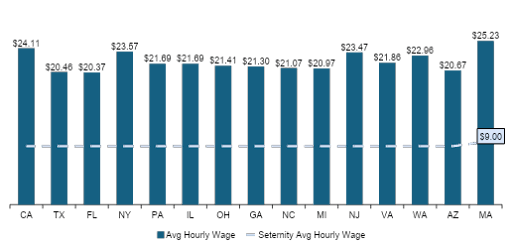
What Does Hiring an In-House Bookkeeper Cost in the U.S.?
How Providers Structure Bookkeeping Pricing
- Fixed Monthly Packages: The most common approach. Pricing is based on transaction volume and complexity, giving you a predictable monthly fee.
- Usage-Based Tiers: Costs scale as activity increases. This is common for ecommerce and seasonal businesses where volume fluctuates.
- Custom Plans for Larger Businesses: Multi-entity or high-growth companies often receive tailored pricing based on workload and reporting needs. Reputable providers review your data before quoting so pricing reflects reality rather than guesswork.
Is Outsourced Bookkeeping Worth the Cost?
- Cleaner and more accurate books
- Faster month-end close
- Clear visibility into cash flow
- Readiness for taxes, audits, or fundraising
- Less stress and fewer surprises
Messy books lead to missed deductions, delayed filings, and reactive decisions. Those hidden costs often exceed the entire annual spend on outsourced bookkeeping. Seen this way, bookkeeping pricing becomes an investment in operational clarity rather than a simple expense.